Articles by "home loan"

Advance Pay Benefit Affordable Care Act Marketplaces Affordable Health Insurance Amrapali Terrace Homes approved Association Auto Insurance Auto Insurance Company Auto Insurance Quotes Auto Loan Auto Loans Average bad credit Bad Credit Report Bad Credit Used Car Loan Bank bankruptcy Benefits of Debt Consolidation Best Auto Car Insurance business Business Insurance Online business plan Car Finance Credit Car Insurance Car Insurance Adjuster car loan Cards Cash Advance Payday Loan cashback Cheap Motor Insurance Check Checking Account Claim Cleaning ervices businesses conditions of bad credit Consolidate Credit credit card Credit Card Debt Credit Card Debt Consolidation Credit Cards Cyber Incident Davenport Man debt Debt Consolidation Debt Consolidation Loans Debt Management Debt Recovey debtor Dental Insurance Deposited Diabetics Earn Effortless Car Finance Credit Employment Taxes Expectations Finance Financial Financial Assistance Gave General Liability Insurance. Property Insurance Greater Noida Guaranteed Payday Loan Gulshan Bellina Health health insurance Health Insurance Exchange Enrollment Is Back. Here's What You Need To Know Health Insurance Exchanges Health Insurance Plans home loan Home Loan Checklist Individual Health Insurance Installment Instant Payday Loans insurance Insurance Comparison Insurance Diabetics Insurance Fraud Insurance Information Interest Interested Involves IRS IRS Scam Janitorial La Grange Laws leasing lenders Life Insurance life insurance quote loan Loan Bad Credit Loan Consolidation Loan Debtor Loan Finance Loan Information Loan Payday Advance loans Loans for Veterans Maid manipulating symbol systems mortgage Mortgage Brokers Mortgage Calculations Mortgage Calculators Mortgages Parsvnath Palacia pay payday Payday Advances Payday Credits Payday Lenders Payday Loan Payday Loans Payday LoansConsolidated Loans payments Personal bankruptcy Personal Finance Personal Insurance Personal Loan Personal Loan Finance Personal Loans Personal Loans Information Plans Hometown Prepaid Debit Cards qualifications real estate Recession Refunds repair business credit Residential Complexes Reverse Mortgage Payment Save Money Secrets The Dealership Secured Secured Personal Loan Secured Personal Loan Finance simbol Small Business Small Business Loans small Company Insurance Plan Small Company Insurance Plan student loan Student Loan Consolidation Student Loans Student Loans Consolidating Student Loans Consolidation Supertech Oxford Square Supplant Surety Bond Insurance Surety Bond Insuranceq2q Tax Payer’s taxes transfer Travel Insurance Types Typically Umbrella Liability Unitech Verve Unsecured loans VA Home Loans va loan programs Weighted
Showing posts with label home loan. Show all posts

If you are looking to get a home loan, don't get confused with all the "jargons" used within the finance industry. Prepare for your home loan with the checklist of typical questions asked by the lending officers employed by the lenders/credit providers. This checklist is useful when you are looking to :
>> Buy your first home

>> Refinance your existing mortgage

>> Consolidate your debts

>> Upgrade or renovate your home, or

>> Invest in another property

Question - What is the purpose of the credit you are considering?

Your response should be anyone of the following:

>> Purchasing a home to live in

>> Investing in another property

>> Renovating your home

>> Consolidating your debts, or

>> Refinancing your existing mortgage or any other needs

Question - What kind of loan repayment type are you considering?

You should consider your loan repayment options, such as:

Interest-Only repayments - You will only repay the interest on your home loan, and your loan balance will not reduce

Principal and Interest - You will have to repay the interest and principal amount together. It means your loan balance will gradually reduce.

Question - What kind of interest type are you considering?

You need to consider the interest rate type in terms of:

A Fixed Rate home loan - With this type of home loan, your interest rate is set for a fixed period, and your repayments remain the same for the duration of the fixed period, usually between one and five years, or

A Variable Interest Rate home loan - This type of home loan is very popular with first-home buyers who just want a loan product that is simple, easy to manage and offers a number of features and benefits.

Question - Are you concerned with the amount of interest rate percentage being charged?

If you are concerned with the amount of interest rate percentage being charged on your home loan, you can use comparison rates because they are a handy indicator to help you compare loans more easily. An expert finance broker will readily provide you with a number of impartial comparisons to help you when deciding and which a bank aligned lending officer is not willing to provide you.

Question - Are you concerned with interest rate movements (i.e. up or down)?

If you are concerned with the interest rates moving upwards, you should consider a Combination (Split) interest rate loan because it will allow a mixture of security and flexibility. This is how you will pay:

>> A fixed interest rate payment for an agreed portion of your home loan, and

>> A variable interest rate payment on the remaining portion of the home loan.

Question - What kind of features and benefits are you considering with your home loan?

You should make sure you fully understand all the features and benefits available to you, such as:

>> Taking advantage to make unlimited "extra repayments" each month. So, you can pay off your loan faster.

>> Taking advantage of "redraw facilities", so you can withdraw any extra payments you have made on top of your normal repayment amounts, if you need the cash.

>> Taking advantage of "100 percent offset accounts". If you decide to put as much of your spare cash as you can into an offset account, and keep the cash in the offset account for as many days as possible, your home loan repayments will reduce. It is because your savings are bringing down the interest incurred, and ultimately your loan will reduce much faster.

Question - How long do you expect to remain in the credit contract (i.e. your required loan term)?

You need to consider if you expect to sell the security property in a certain time frame, for example:

>> Long-term - over ten years

>> Medium-term - 5 to 10 years, or

>> Short-term - less than five years

Question - What is an Exit Strategy?

An exit strategy is a plan for what will happen with your loan when you retire. The lender/credit provider will need to see that you will be able to afford the repayments without having to sell your property (i.e. selling your house is not seen as being a valid exit strategy).

So, now you have a checklist of questions to help you get organised when getting a home loan or an investment loan. AndScience Articles, you should now be better prepared to make a decision that suits your personal needs and budget.

Many of us tend to form a relationship with our bank even in these times of big banks. This does not mean, however, you should look to your personal bank for a mortgage.


Will Your Bank Give You The Best Mortgage?

It is a common misconception for people to assume that their bank will give them the best mortgage. It is a natural thing to assume, especially since people have often been banking with the same institution for many years and they feel comfortable with them.

However, the fact is that if you limit yourself to going directly to your bank and getting a mortgage from them without looking elsewhere you are most likely shooting yourself in the foot. You are restricting the possibility of other options that might be better for you and this is never a good thing.

There is no doubt that your own bank might give you the plan you want. There is a chance that they will give you a good offer that would be tough to beat by any considerable margin elsewhere. However, this is just a chance. You will only know if it's anything more than a chance by actually looking elsewhere.

Sure, the comfortable and trust factors weigh in, and these can be major factors since you want to trust the institution that is giving you such a large amount of money for such an important thing, but there are many other trustworthy lenders out there that may have a better offer for you. Keep in mind that your bank will probably sell your mortgage to another lender within the first year.

The first place to go is to other major banks and lending companies which you know of. By going to these first, you are going to major companies which are trustworthy. Most major banks offer fairly similar rates, but it is still worth it to check around. In fact, you would be crazy not to check around.

You may get yourself a quarter or half a percentage point off, which might seem small but can actually turn out to saving you thousands of dollars in interest payments. These other banks might also have other incentives or better options that you will want to consider. If you own a business, they may even offer you a better deal in an attempt to pick up that business.

There are plenty of other lending companies you can check with, both major and minor, online and offline. It is to your benefit to check as many as possible and not settle with your own bank just because they are the first place you check. Getting a mortgage is a huge thing and it is important to get the right mortgage plan for you, and this will only be done properly if you evaluate your options.

Buying a house is almost certainly the most expensive purchase you will ever have to make. Finding or saving the funds to buy your first home and get your foot on to the property ladder used to be almost impossible without taking out a mortgage to lend you the required funds.

Although most people still don't have access to the amount of cash you would need to buy a home, alternate options to the mortgage are starting to be explored. With the increased use of the internet to search for your new home, and the increased involvement of the buyer and seller of the house, direct communication between the two parties has never been better.

Buyers and sellers are now communicating together to see if they can reach a compromise for the exchange for the house which doesn't always include financial payment. These deals are becoming increasingly creative and can accommodate a whole host of requirements for either or both parties.

The most widely used alternative to the traditional mortgage is that of the seller mortgage. Most buyers, particularly first time buyers, require a substantial down payment towards the purchase of their new home. This is usually a percentage of the overall price and is 10% as standard. The cost of houses in the UK has risen hugely over the past decade and so this can be as much as £18,000 in some areas of the country for a small two bedroomed terraced house. Given that many buyers have to rent their current home, savings are not always easy to come by. Should they wish to buy a house from someone who has no outstanding mortgage to pay a seller mortgage agreement is a possibility.

The seller mortgage involves the original owner remortgaging the property and then setting up an amortized loan for the new buyer. This is a complicated loan but has been made much easier lately as it can be set up online and does not necessarily need an experienced and expensive accountant to work out the details.

How To Apply For A Mortgage Loan

For a first time home buyer, applying online for a mortgage loan makes the experience easy. You have plenty of time to compare rates and terms to find the best financing for your situation. With just a few steps, you can secure financing for your home with the lowest possible rates.
1. Select Your Terms

Mortgage terms affect both your interest rate and payment. With a large amount of flexibility, lenders allow you to tailor your loan to fit your budget needs. So if your goal is to purchase the most with your income, look into an adjustable rate mortgage with initially low payments.

For security, fixed rates can also have reasonable rates. For even lower rates, you can purchase reductions by paying points at closing. One point equals one percent of the principle. Paying points is affective if you keep your mortgage for at least seven years in order to recoup the cost of buying the rate reduction.

The length of the loan will also affect your rates and payments. 15 year mortgage provides you with a cheaper loan, but payments are about a third higher than a 30 year mortgage.

2. Research Your Lender

Even a difference of an eighth of a point in rates can save you thousands of dollars. The easiest way to save money on your home's purchase is by finding the lowest costing loan.

With online mortgage companies, in just a few minutes you can request loan quotes without hurting your credit report. Every time a potential creditor accesses your report, it temporarily hurts your score.

Rates are one way to evaluate loans. But closing costs can also add up to thousands. That's why the APR number is important. It gives you the total cost of the loan. But if you plan to move or refinance, focus on low closing costs rather than low rates.

3. Apply Online

When you have found the right lender, you can start your home loan application online. Even if you haven't found the right house, you can still get pre-approved and lock in your rates.

With online financing companies, your paperwork is expressed mailed to you. You complete the forms with a notary's seal. Working with your real estate agent, escrow company, and seller, the date of sale can then be finalized.

With the increase in energy prices, it's important to know that there are ways to lower your energy bill, maintain the overall comfort of your home and be energy efficient.
There is another big plus to being energy efficient: You help the environment. Using less energy means less air pollution from power plants that burn oil, coal or natural gas. Pollution from these sources can cause respiratory disease, smog and acid rain and contribute to global climate change.
Consumer Federation of America offers these tips on how to be environmentally friendly and save energy in your home.

* Clean or replace the air filters in your home's heating and cooling system regularly. A dirty air filter can increase your energy costs and lead to equipment failure. It's also good to have your systems checked once a year by a licensed professional. Regular maintenance can detect problems early.

* Use light bulbs and fixtures that have earned the Energy Star label - the government's symbol for energy efficiency. Such lighting uses two-thirds less energy and can last up to 10 times longer.

* Install a programmable thermostat. It will automatically adjust the temperature to meet your comfort needs efficiently during different times of the day or week. A programmable thermostat can save you up to $100 a year when properly programmed and used.

* Seal air leaks in your home. Add new weather-stripping and caulking around windows and doors. Caulk and weatherproof all exterior openings for plumbing and electrical service, and look for other openings that need to be sealed, such as attic vents and ducts.

Effective air sealing, combined with the right amount of insulation, can save up to 10 percent on energy bills. And if you're in the market for new windows, look for energy-efficient ones to help keep your home cooler in the summer and warmer in the winter.

* When replacing older, inefficient appliances in your home, look for new ones that have earned the Energy Star label. They meet strict energy-efficiency criteria set by the U.S. Environmental Protection Agency and U.S. Department of Energy; use less energy; help prevent air pollution; and reduce energy costs in your home.

Compared to other homeowners, Californians pay one of the highest premiums in the country for their warm, sunny climate. According to the National Association of Realtors, the median price for a single-family home in California topped out at an eye-popping $542,000 in fourth-quarter 2005. While finding the best possible mortgage loan rate is important wherever you live, prices like these underscore the importance of doing your mortgage homework if you live in California.

According to "Looking for the Best Mortgage", an article published by the Federal Reserve, getting a good rate on your California mortgage is basically a three-step process. The Fed's strategy, which it calls "Shop, Compare and Negotiate", says a mortgage is essentially a product like a car. Just like the price of a new Caddy, the price and terms for a home loan are often negotiable. So, says the Fed, it pays to shop, compare and negotiate.

The first step in the process - shopping for the best home purchase loan, home equity loan or refinance loan - is easier than ever. That's because of the dramatic increase in the number and popularity of online lenders. Nationally recognized lenders like Home 123 or Ameriquest now offer a wide variety of mortgage products in many states, including California. Besides offering mortgage products that combine convenience and flexibility, online lenders are also available 24/7 to give you a free mortgage quote - something that can't be said of traditional brick-and-mortar lenders like banks or credit unions
Shopping around for your California mortgage is just the first step. After that, you'll want to compare the offers you've received. Make a checklist that contains all the key information about rates, points, fees, the down payment, and the cost of private mortgage insurance. Set up the worksheet in a spreadsheet program like Microsoft Excel and give each lender a column of its own. That way it's easy to compare lenders - and the bottom line - side-by-side.

Finally, says the Federal Reserve, don't assume a lender's offer is the last word in your search for the best California mortgage. That's because mortgage lenders frequently offer different terms and rates to different customers, even if those customers are equally qualified for a mortgage loan. It pays to negotiate, so now is the time to show a prospective lender that you're a savvy consumer shopping for the best possible deal. Don't be afraid to ask for lower fees, a lower rate or fewer points !

In conclusion, when buying a home or negotiating a home equity loan or refinance loan, don't forget to shop around, compare offers and flex your negotiating muscles. That way you'll get the best possible deal on your California mortgage !

When you refinance a home loan you're acquiring a loan and the money obtained from it has to be destined to pay off the outstanding loan so the new loan will be secured with the same asset as the previous loan.
There are a few reasons why someone would want to do that. You can lower your monthly payments on your home, you can benefit from lower interest rates or you could use extra money to consolidate debt.
 
Paying less interest :If you had bad credit when you got your current home loan, you probably are paying a high interest rate and thus you'd benefit from a refinance by reducing the amount of money paid on interests. If you've been paying religiously your monthly mortgage installments, then you've probably improved your credit over time and you should be in condition of getting a refinance mortgage loan at a reasonable rate.

When is refinance convenient ?

You may wonder when is refinance convenient, the truth is there is no general principle on this matter, but most financial assistants consider a 1.5% lower interest rate to be worth refinancing. If you refinance for a higher amount than the current loan you may also get rid of other debt like credit card balances which have a lot higher interest rates.
Finding a lender :
There are many lenders dealing with refinance mortgage loans, so if you are determined to find the best deal for you, you will have to do a careful research. You can start by heading to one of those online sites that offer comparatives between lenders and advice as to which lender best suits your needs. This kind of sites save you the trouble of searching everywhere for lenders and requesting loan quotes from each one.

Seek Help if you must :
Don't hesitate to seek for professional help if you feel this is a complicated financial transaction for you. There are many financial assistants willing to offer you their advice on how to refinance your loan and they will give you tips to raise your credit score and improve your credit history. There are many online sites offering this kind of advice too.

Buying a house is a big investment. It really puts a dent on your financial resources. Of course, the expenses do not end with the down payment. You still have to contend with the monthly payments for the mortgage. This is a financial situation that you will have to live with for years until you have fully paid off your loan.


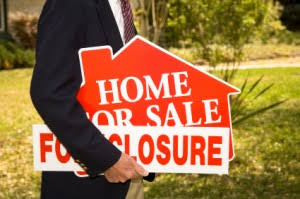
But what happens if you get behind in your mortgage payments? A delay in payment can have very serious consequences for your mortgage situation. If the delinquency in payments has become too severe then your home could be in danger of foreclosure. A foreclosure means that your property will be repossessed by the lending institution that gave you your mortgage.

Fortunately, even if you have defaulted on your payments, it does not necessarily mean that your property will be foreclosed. There are various alternatives to a foreclosure that you can take. Some of these are:

Paying the delinquency. Generally, all lending institutions are required to accept all the payments that were delinquent and reinstate the loan. The delinquent payments that you have to pay may also include some legal fees especially if you are already in the foreclosure stage. There are also lending institutions that require certified funds in order to reinstate the loan.

Forbearance and Repayment. One of the most common ways of resolving a delinquent mortgage is to work out a plan with your lending institution where in you get to pay a part of your delinquency every month on top of your regular monthly payments. If you are in a situation where you are not able to meet the monthly mortgage payments, your lender can elect to extend the forbearance by suspending payments for a certain period of time up until you can start a repayment schedule. <

Payment Assistance. Some state and local governments and also private charitable organizations have instituted programs that help people with delinquencies pay all or part of their mortgage obligation for a certain period of time.

Reamortization. In a reamortization, the delinquent mortgage amount is added to the loan balance as a way of bringing the mortgage payments up to date. This move increases not only the total loan amount but also the monthly payments. Of course, the increase in payment will not be as large if the life of the loan is also extended.

Private sale. A private sale of the property affected by the delinquency can also be done as it will allow you to meet your obligations as well as get any equity that may have accumulated. In private sales it is usual that the amount is greater than the stated amount owed on the loan.

Most of these alternatives presume that you will be able to pay your mortgage payments at some point. But there is also a particular foreclosure alternative called a loss mitigation program. The federal government as well as the mortgage industry established this type of program as a way of stopping foreclosures. Under this program you are given options that will not only assist you in keeping your home even if you do not have the financial capability to pay for the mortgage payments. With these types of programs, it becomes so much easier to address the problem of foreclosures.

Author Name

Contact Form

Name

Email *

Message *

Powered by Blogger.